
Jesus Christ doll
Jesus Christ Doll
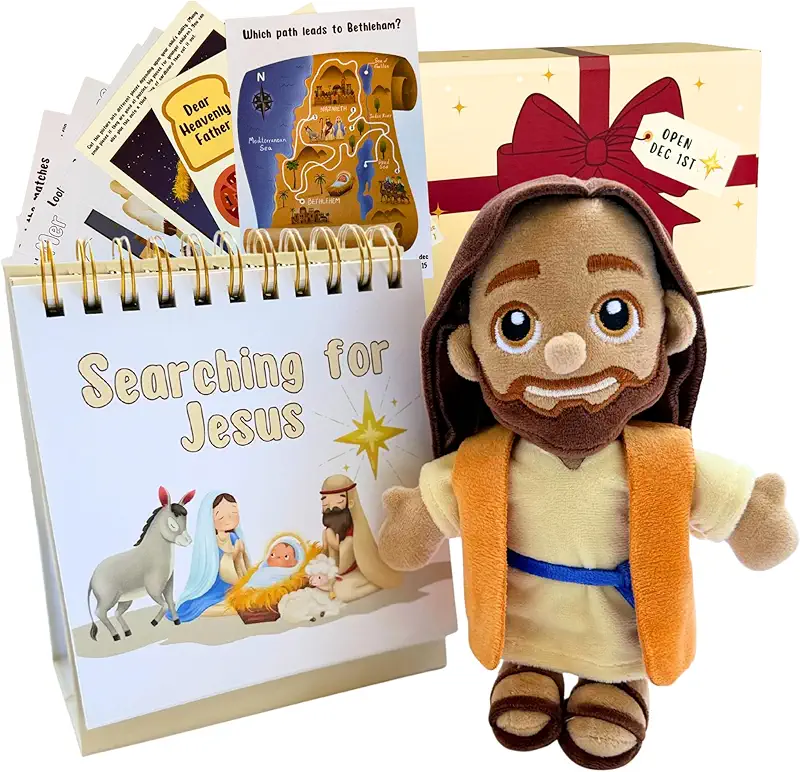
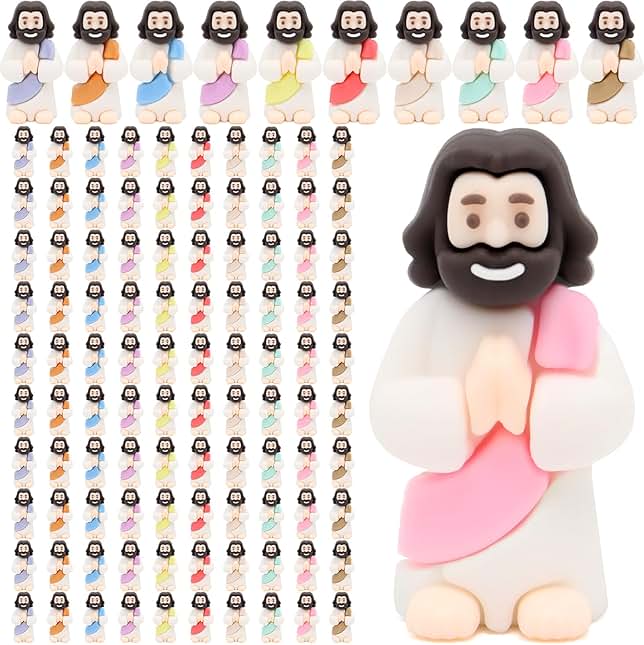
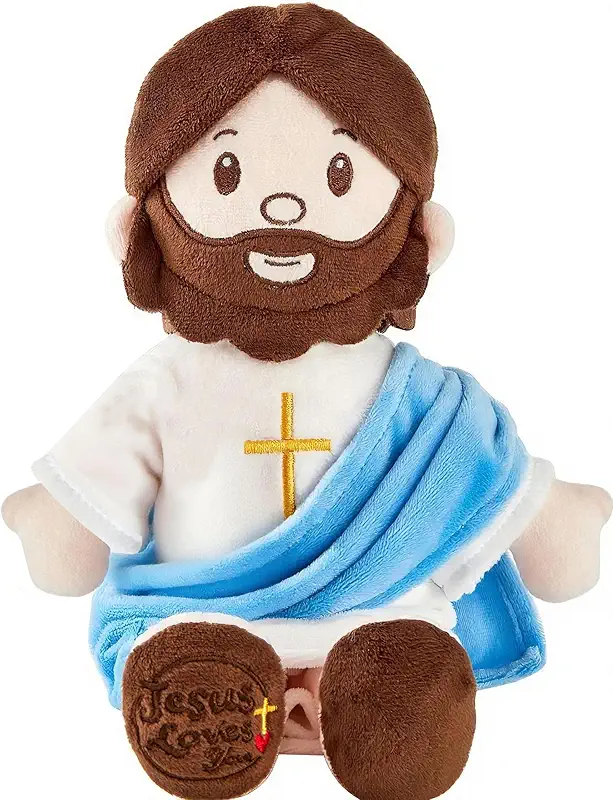
A Jesus Christ doll is a simple, tangible way to keep the face of the Lord close in ordinary family life. It is not a toy in the usual sense, even if children may hold it, hug it, and carry it around the house. For many families, it quietly becomes part of bedtime routines, moments of prayer, and gentle conversations about faith that happen on the couch, in the car, or on the floor of a child’s bedroom.
Over time, a doll of Jesus can feel like a familiar presence that reminds children He is near, without big speeches or complicated explanations. It sits on the bed, joins tea parties and story times, and sometimes just rests on a shelf where a child can see it when they wake up in the night. It is a small physical reminder of Someone much greater, who loves them more than we can explain.
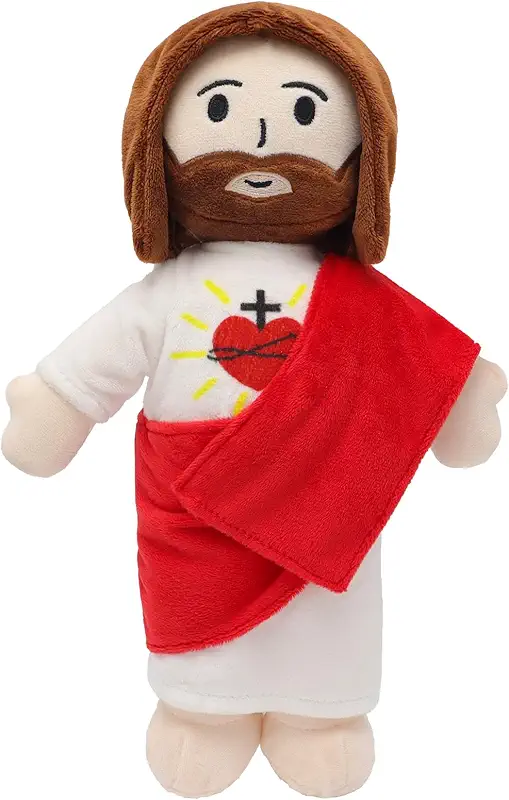
What a Jesus Christ doll can mean for a child
When we think about how children experience faith, it is usually through small, repeated moments: a parent tracing the sign of the cross on a forehead, a whispered Hail Mary in the car, a quiet stop in front of the tabernacle, a crucifix hanging on the wall. A Jesus Christ doll fits naturally into this pattern. It is not meant to replace prayer, Mass, or Scripture. It simply gives little hands something gentle to hold while hearts slowly learn to trust.
In my own home, the first time we brought in a Jesus Christ doll, I honestly was not sure how my kids would react. I worried it might feel strange or too “cute,” or that they would ignore it. Instead, something very simple happened: my youngest placed the doll on her pillow, patted it gently, and said, “He can sleep here.” There was nothing dramatic in that moment, just a quiet instinct that Jesus was a friend who could stay close.
That small scene stayed with me. It reminded me that, for children, love is often expressed physically: they hug, they lean, they cling. A soft doll of Jesus gives them a way to express that same closeness with the Lord in a way that makes sense to them, without forcing anything or asking them to understand more than they can.
Gentle ways children may use a Jesus doll
Every family is different, but there are some tender, ordinary ways a Jesus Christ doll often finds its place in a home:
- Resting on a child’s bed as a quiet reminder at bedtime or nap time.
- Being held during night-time fears, when a child wakes up and does not want to be alone.
- Joining evening prayer, perhaps in the circle on the floor or at the couch.
- Sitting at a small prayer corner alongside a children’s Bible and a simple cross.
- Coming along in the car on long trips or to big events that make a child nervous.
None of this is magical, and it is important to keep that clear. A doll is fabric, thread, and stuffing. What matters is the love, attention, and prayer that surround it. The doll is just a quiet reminder that the real Jesus listens to us, sees us, and loves us endlessly.
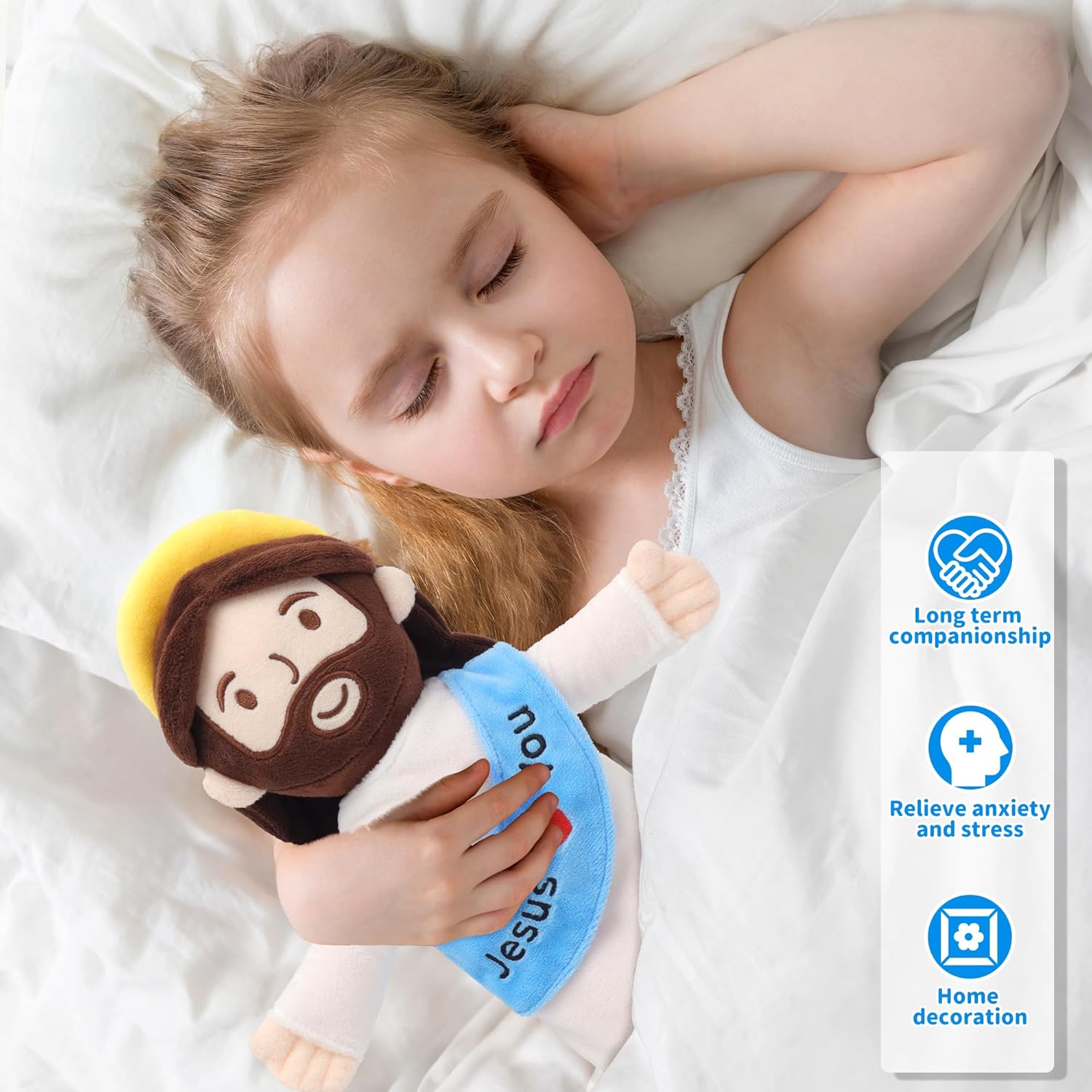
Bringing a Jesus Christ doll into family routines
If you are thinking about introducing a Jesus Christ doll into your home, there is no single “correct” way to do it. Some parents like to present it on a special day, perhaps around Christmas or Easter. Others simply place it on the bed or in the prayer corner and allow the child to notice it in their own time. Children often teach us how to be simple and honest about these things.
In our house, we first put the doll near a small basket that already held our children’s Bible and a few holy cards. It did not become the center of attention right away. For a few days, it was just there, visible but quiet. Eventually our son picked it up during bedtime prayer and held it on his lap while we read from Scripture. That was it. No speeches. No big explanation. Just another gentle sign that Jesus belongs in the middle of our evenings.
Ideas for simple, respectful use
A few simple ideas may help the Jesus Christ doll find its place without pressure or fuss:
- Let your child choose where the doll stays: on the bed, a shelf, or a prayer table.
- Include the doll naturally when you already pray as a family, without making it the focus.
- Use it as a quiet comfort during hard days, like when a child is sick or anxious.
- Occasionally tidy it together, showing that it is something you both treat with care.
- Allow older children to decide for themselves whether they still want it nearby.
These little actions send a message: Jesus is welcome in our everyday life, and the things that remind us of Him deserve gentle respect. It is not about treating a doll as holy in itself, but about letting it point our hearts toward the One who is.
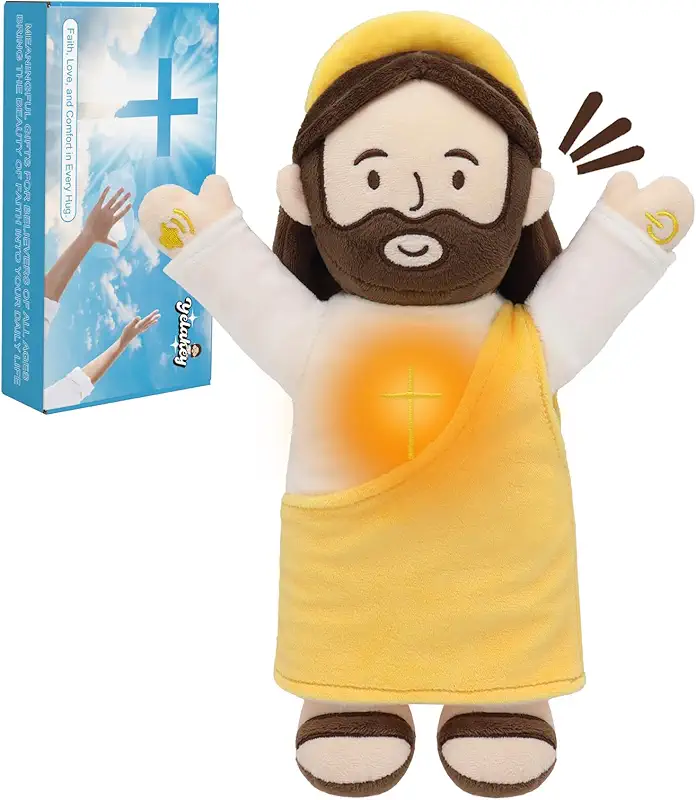
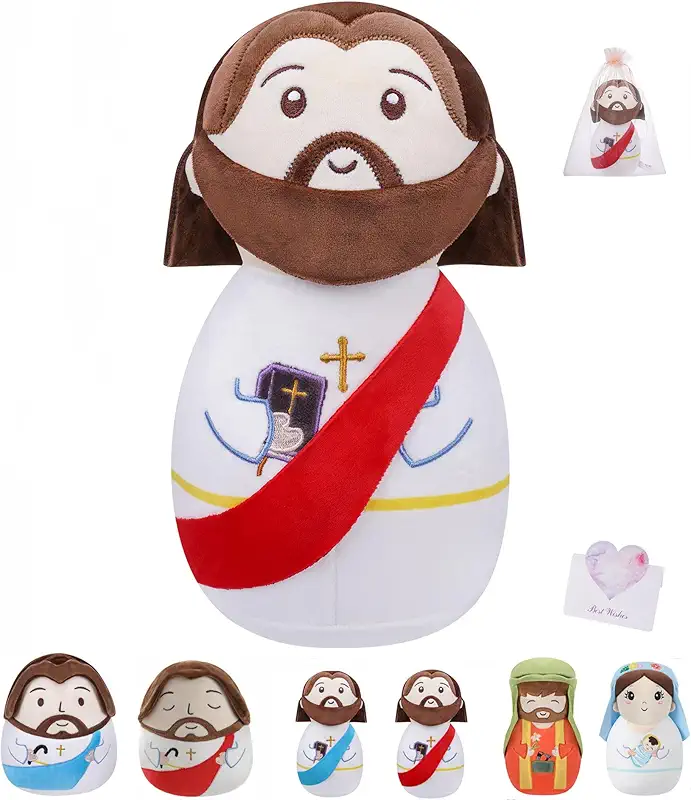
How a Jesus Christ doll relates to Catholic tradition
Catholics have long used physical objects to help keep their hearts turned toward God: rosaries, crucifixes, icons, holy water, statues, and more. They do not replace prayer or the sacraments, but they support them, a bit like how family pictures remind us of the people we love. In that sense, a Jesus Christ doll is a very modern, child-friendly way of doing something our faith has always done: allowing the senses to be part of prayer.
The key is to keep the focus where it belongs. The doll is not Jesus Himself. It is a soft image meant especially for young children, who naturally connect through touch and play. Just as an image of Christ, like the one often called the Sacred Heart of Jesus, can draw us into deeper trust and love, a child-sized doll can open space for small hearts to feel that Jesus is close and kind.
In our family, we try to link the Jesus Christ doll to real moments of worship and prayer. For example, when we come home from Mass, the doll sometimes ends up near the bulletin or the children’s envelopes. When we pray before bed, it may rest near the Bible on the nightstand. Over time these little patterns teach our kids, gently, that the faith we celebrate at church also lives in the quiet of home.
Respectful care for a Jesus Christ doll
Children learn a lot from how we treat the objects around us. If we take good care of a crucifix, a Bible, or a prayer card, they notice. The same is true for a Jesus Christ doll. A few simple habits can show that, while the doll is not holy in itself, it still points us toward Someone we love:
- Encourage children to keep it off the floor when possible, placing it on the bed or a chair.
- Invite them to handle it with clean hands, especially around the face.
- Set aside a regular time to wash or straighten it if it becomes worn.
- Gently redirect rough or disrespectful play without scolding harshly.
- Remind them, in simple words, that the doll reminds us of Jesus, who loves them dearly.
Over time, these simple gestures can deepen a child’s sense that the Lord is not distant, but present and caring in every corner of life, including their playroom and bedroom.
Personal experiences with a Jesus Christ doll
Because every family is unique, each person’s experience with a Jesus Christ doll will be a little different. For us, it has never been the “center” of our faith life, but it has quietly supported it in ways I did not expect. There were evenings when one of our children clung to the doll after a hard day at school, and we could sit together and talk about how Jesus understands hurt feelings and loneliness.
I remember one specific night when my daughter had a bad dream. She climbed into our room holding the Jesus Christ doll under one arm and her blanket under the other. She did not say much, just that she was scared. We prayed one short prayer together, and then she asked if she could keep the doll in her bed again. There was nothing dramatic about it, but it reminded me that children often reach for something they can hold when their hearts are shaken.
At another time, when one of our kids was learning about the stories of the Gospel in school, he started placing the doll near a children’s book of Bible stories. Without being prompted, he would set the doll next to pictures of Jesus healing, teaching, or blessing children. It was his own way of connecting what he heard in class with the presence he felt in his room.
None of these moments are spectacular. They are ordinary, and that is precisely what makes them important. Faith usually grows in ordinary days, with ordinary gestures. A Jesus Christ doll can simply be one of those ordinary things that quietly keeps Christ in view.
Helping conversations open naturally
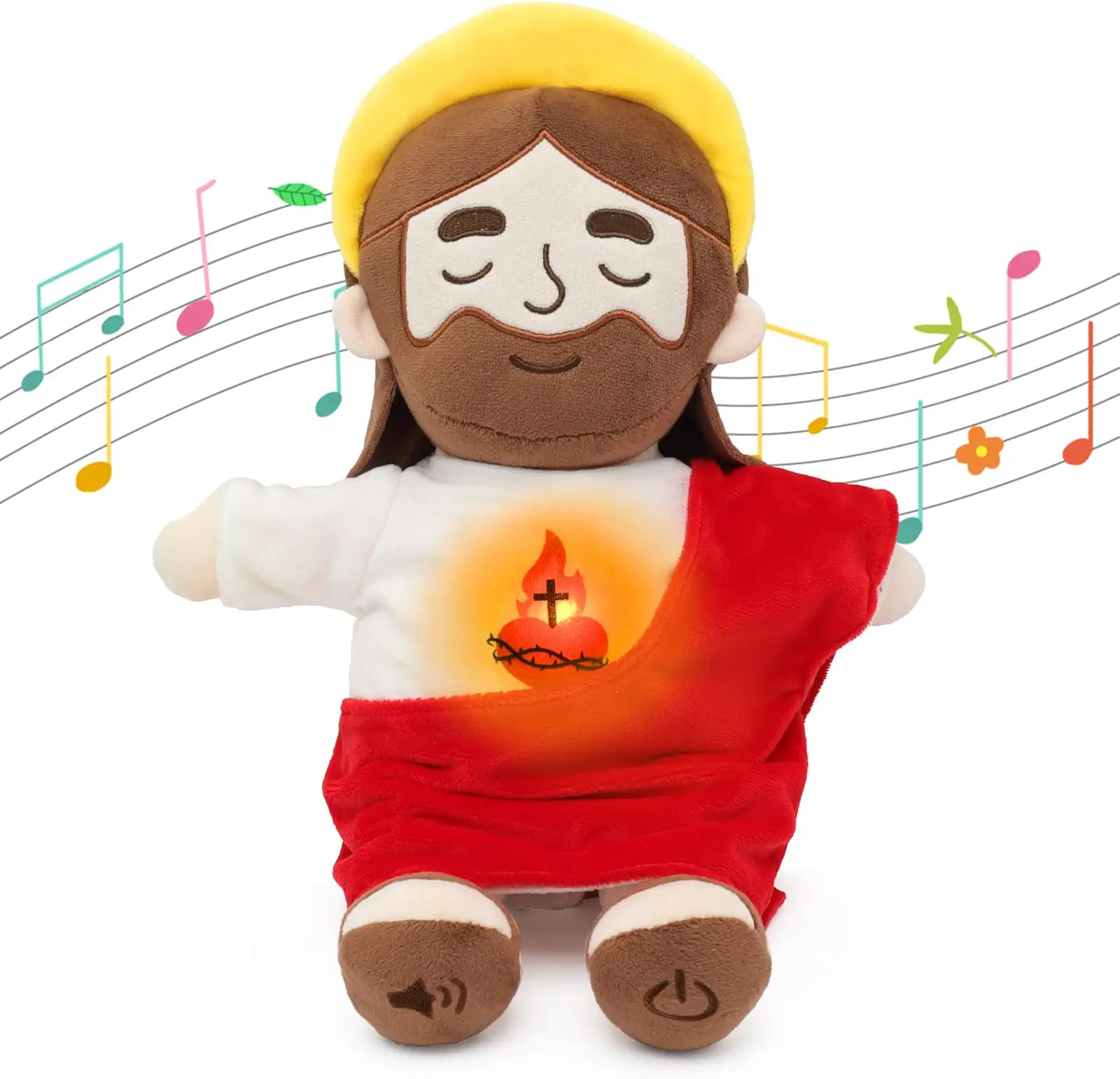
One of the gentle gifts of having a Jesus Christ doll in the home is that it can open conversations without pressure. A child may ask, “Why does He have a heart on His chest?” or “Why is He dressed like that?” These questions become opportunities, not to give a lecture, but to share very simple truths about the love, kindness, and mercy of Jesus.
When my son once asked, holding the doll, “Does Jesus really stay with me like this?”, I answered as simply as I could: “The real Jesus is even closer than this doll. He is with you in your heart, especially when you pray.” The doll became a bridge for that short, honest moment. No complicated theology, just the reassurance that Jesus is not far.
As the years go by, a child might grow out of holding the doll, and that is natural. But even if the doll eventually finds a place on a shelf or in a keepsake box, the memories attached to it can remain: nights of prayer, small reassurances, and the sense that Jesus cared about their joys and sorrows from the beginning.
Frequently asked questions about a Jesus Christ doll
Is it respectful for children to play with a Jesus Christ doll?
It can be respectful, as long as the way the doll is used reflects the love we have for Jesus. Many Catholic families treat a Jesus Christ doll with gentle care, allowing children to hug it, bring it to prayer, or keep it on their beds. Parents can calmly guide children away from rough or mocking play and explain, in age-appropriate words, that the doll is a reminder of Someone very special. The goal is not to create fear, but to foster loving respect.
Does a Jesus Christ doll replace other devotional items like a crucifix or rosary?
No. A Jesus Christ doll is more like an addition than a replacement. Crucifixes, rosaries, images of the saints, and Scripture remain at the heart of Catholic devotion. The doll can sit alongside these things, especially in a child’s space. For some children, holding the doll may make it easier to stay calm during a decade of the rosary or while listening to a Bible story, but it does not take the place of those traditional practices.
How can I introduce a Jesus Christ doll without making faith feel forced?
The simplest way is usually best. You might place the doll in a visible, peaceful spot and allow your child to discover it. If they ask questions, you can respond calmly, saying something like, “This doll reminds us that Jesus is close to us.” You do not need a long explanation or emotional moment. Let the child lead with their curiosity and comfort level, and gently connect their questions to prayer and everyday trust in God.
What if my child is not interested in the Jesus Christ doll?
That is completely okay. Children go through different stages, and not every devotional object will speak to them in the same way. You can keep the doll in a quiet place, such as a shelf in their room or a family prayer corner, and see if interest grows later. Faith does not depend on whether a child loves a particular object. What matters most is the steady, loving example of adults who pray, go to Mass, and trust in God day by day.
Is a Jesus Christ doll only for very young children?
It is especially common for toddlers and young grade-school children, but older kids sometimes appreciate it too, even if they do not carry it around. For some, the doll becomes more of a quiet presence in the room or a reminder of childhood prayers. If an older child feels embarrassed by it, you can simply respect that and store it in a meaningful place. The important thing is to let the doll serve the needs of the child, not the other way around.
Quietly exploring more options
If you feel drawn to the idea of having a Jesus Christ doll in your home, you can take your time and look at different versions, noticing which ones seem gentle, respectful, and suited to your child’s personality. There is no rush and no pressure. Sometimes just seeing what is available can help you imagine how this simple item might fit into your family’s own rhythm of prayer and daily life.
I’ll see what’s out there